
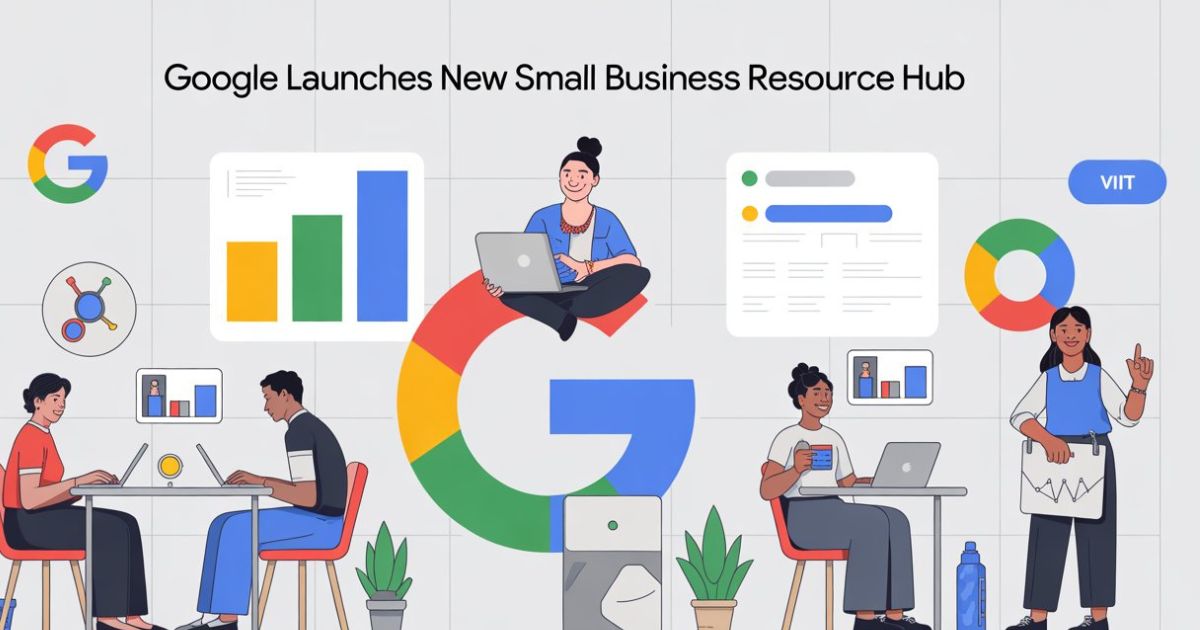
Google has recently unveiled a new small business resource hub, consolidating multiple tools, guides and support options into a single central platform. The aim is to simplify access to Google’s ecosystem for small businesses by reducing fragmentation across services. This article explores what the hub offers, how it may benefit small enterprises, possible limitations, and what this move indicates for the future of SMB digital adoption.
Why a Resource Hub for SMBs?
Over the years, Google has built many products and services designed to help small businesses – Business Profile, Google Ads, Merchant Center, YouTube Ads, Google Analytics, and AI driven Workspace tools. However, these offerings often existed in siloes, with different dashboards, separate sign ins, and scattered documentation.
The new hub brings these resources together in one place, offering a smooth transition from “claim your profile” to “list products” to “launch ads” without the need to jump between multiple websites. For small enterprises with limited time and technical capacity, reducing this friction is a significant improvement.
Google has made it clear that its goal is to help SMBs “thrive online” through accessible digital tools. The hub also provides visibility to AI powered features in Workspace, making advanced tools easier to discover and adopt.
Inside the Hub – Features & Components
Access to Core Services
The hub creates direct pathways into key Google services:
- Business Profile (manage online listings)
- Merchant Center (list & manage products)
- Google Ads and YouTube Ads (launch ad campaigns)
- Google Analytics (measure performance)
AI & Workspace Tools
The hub highlights AI features within Workspace (Gemini) and other AI driven tools, providing real examples and training resources.
Learning Resources
Guides, tutorials, and training materials are available to help beginners set up their online presence, run ad campaigns, and measure performance effectively.
Website Starter Options
For businesses without a website, the hub provides options and partner tools for building a basic site.
Case Studies & Success Stories
The hub also features examples of businesses already leveraging Google’s tools successfully, offering practical insights for newcomers.
Benefits for Small Businesses
- Simplified Onboarding: With services brought into a unified space, new users can follow a guided flow instead of navigating fragmented tools.
- Time Savings: Business owners spend less time figuring out where to start and more time applying tools to grow their business.
- AI Access: By spotlighting AI resources, Google makes advanced features more approachable for smaller players.
- Trust & Reliability: Having resources curated by Google adds credibility and reduces reliance on third party, unverified guides.
- Support for Agencies: Agencies onboarding new SMB clients can use the hub as a single reference point for training and setup.
Challenges & Considerations
- Frequent Updates Needed: Google’s tools evolve rapidly. The hub must be updated regularly, or instructions could become outdated.
- Risk of Overwhelm: While consolidation helps, too many options in one place could overwhelm beginners.
- Localization Issues: Google must ensure the hub reflects regional differences in tools, partners, and compliance requirements.
- Depth vs. Breadth: The hub covers a wide range of tools but may not provide deep guidance for advanced users.
- Vendor Lock In Concerns: Some businesses may feel pressured to rely solely on Google tools, limiting their flexibility to use alternatives.
What This Means for SMBs
This hub reflects a broader trend of big tech firms not only offering tools but also providing structured education and onboarding support for small businesses. For SMBs, it reduces entry barriers and builds confidence to engage with digital marketing, analytics, and AI. For Google, it increases adoption of its advertising and analytics ecosystem.
Practical Steps for SMB Owners
- Explore the hub at business.google.com/essentials.
- Claim or verify your Business Profile.
- Add products to Merchant Center if relevant.
- Test small ad campaigns on Google Ads or YouTube Ads.
- Use Analytics for tracking performance.
- Try Workspace AI features for efficiency.
- Review success stories for practical ideas.
- Stay updated with new features and resources.
Conclusion
The Google small business resource hub is a well timed initiative that simplifies digital adoption for SMBs. By consolidating access to listings, ads, analytics, AI workflows, and learning guides, it helps entrepreneurs take a structured path toward building their online presence. While challenges like localization and content updates remain, this hub gives small businesses a trusted, centralized platform to start and grow with confidence.